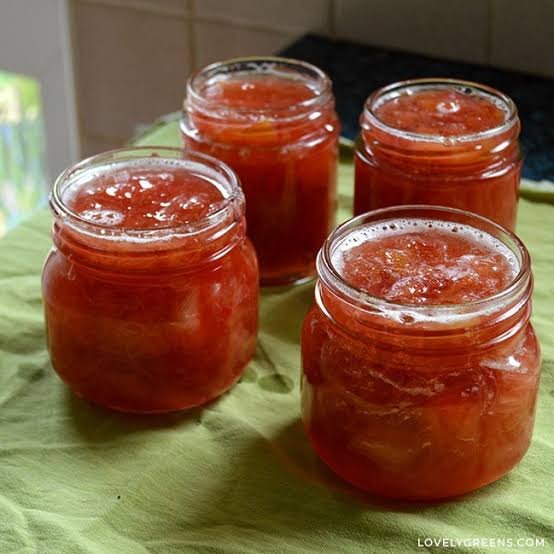
Welcome to the most wonderful and complete guide on how you can make and preserve your very own sweet rhubarb jam right inside your home kitchen. This amazing recipe is all about taking fresh and crisp rhubarb stalks and turning them into a thick and spreadable fruit spread that you can keep on your pantry shelves for months. If you have ever looked at those bright pink stalks growing in the garden or sitting at your local farmers market and wondered what to do with them, this is the exact answer you have been searching for. Rhubarb naturally has a very sharp and tart flavor profile, but when you combine it with the right amount of sweetness and gently simmer it on your stove, it transforms into a magical treat that bursts with nostalgic flavor. Canning this wonderful jam means you are capturing the absolute best essence of the spring harvest and locking it inside glass jars so you can enjoy sunshine on your toast even when winter winds are blowing outside your window. We will walk through every single step of the process together, ensuring you feel totally confident from the moment you wash your first stalk to the satisfying pop of the canning lid sealing tight. There is no complicated equipment required, and you do not need to be a professional chef to achieve absolute perfection on your very first try. Let us dive deep into the wonderful world of home canning and discover why this simple yet delightful project will quickly become one of your favorite kitchen traditions of the entire year.
People all around the world absolutely fall in love with this specific recipe because it hits that magical balance between comforting home cooking and practical food preservation. There is a deep emotional connection that happens when you open a jar of homemade jam that you processed with your own two hands, knowing exactly what wholesome ingredients went inside. Unlike store bought varieties that often taste overly sugary and lack any real fruit character, this homemade version lets the bright personality of the rhubarb shine through while wrapping it in a comforting blanket of sweetness. Families adore spreading this vibrant pink jam onto warm morning toast, swirling it generously into bowls of creamy yogurt, or dolloping it over vanilla ice cream for a quick and impressive dessert. The aroma that fills your entire house while the jam simmers gently on the stove is pure comfort, reminding many people of visiting their grandparents or spending lazy afternoons baking in a cozy country kitchen. Furthermore, the act of canning creates a wonderful sense of accomplishment and self sufficiency that feeds the soul just as much as the delicious food feeds the body. When you line up a row of gleaming glass jars filled with ruby red jam on your pantry shelf, you experience a genuine surge of pride that money simply cannot buy. It is a timeless tradition that brings people together, and sharing a jar of your homemade creation with friends or neighbors is one of the most generous and heartwarming gifts you can possibly offer.
Making this sweet rhubarb jam is the ultimate activity when you find yourself craving a taste of pure springtime joy or when you want to channel your creative energy into something productive and rewarding. Perhaps you had a long and stressful week at work, and you need a calming kitchen project where you can slow down, focus your mind, and create something tangible with your hands. The rhythmic chopping of the crisp stalks, the gentle bubbling of the pot, and the careful organization of the canning jars provide a wonderful form of mindful meditation that melts away daily anxiety. On the other hand, you might be looking for a wholesome way to use up an abundant harvest from your backyard garden before the stalks become too woody and tough to enjoy. From a dietary perspective, making your own jam gives you complete control over the sweetness level and allows you to avoid mysterious preservatives or artificial dyes found in commercial products. Whether you want to treat your family to a special weekend breakfast spread, preserve seasonal produce for the leaner months of the year, or simply enjoy the sheer therapeutic pleasure of cooking from scratch, this recipe arrives at the exact right moment. There is never a wrong time to start your canning journey, and once you taste the incredible reward of your own labor, you will find yourself looking forward to every single harvest season with eager anticipation.
Preparing this delightful preserve is also a wonderful educational opportunity if you have children or young family members who want to learn where their food comes from and how to participate in kitchen magic. You can teach them about measuring ingredients, watching temperature changes, and understanding the science behind how fruit pectin and sugar work together to create that classic jam consistency. It encourages a deeper appreciation for seasonal eating and teaches valuable life skills regarding food preservation that have been passed down through generations of home cooks. As you stir the pot and watch the pale pink pieces of rhubarb soften and dissolve into a rich and glossy crimson mixture, you are participating in an ancient culinary art form that connects you to the past. The vibrant color alone is enough to lift your spirits on a gloomy morning, serving as a bright and cheerful reminder of the beauty found in simple ingredients prepared with love and patience. So take a deep breath, tie your favorite apron around your waist, and get ready to embark on a fun and flavorful journey that will forever change the way you look at fresh garden produce. By the time you finish reading this guide and complete your very first batch, you will hold the keys to a delicious tradition that you can repeat and enjoy for the rest of your life.
Ingredients You Will Need
Four pounds of fresh garden rhubarb stalks washed trimmed and chopped into small bite sized pieces Six cups of granulated white sugar to provide the necessary sweetness and preserve the fruit properly One fourth cup of freshly squeezed lemon juice to add brightness and help activate the natural gelling process Two pouches of commercial fruit pectin powder to ensure your jam sets up with a thick and spreadable texture One half teaspoon of unsalted butter to reduce foaming while the fruit mixture boils vigorously on the stove Eight clean half pint glass canning jars with matching brand new lids and screw bands
Step by Step Method
Begin your wonderful canning adventure by carefully washing all of your fresh rhubarb stalks under cool running water to remove any lingering dirt or garden debris. Pat the stalks completely dry with a clean kitchen towel and place them on a large wooden cutting board. Use a sharp chef knife to slice off both ends of each stalk and discard them. Next chop the remaining stalks crosswise into small pieces that measure roughly one half inch in length. Having uniform pieces ensures that everything cooks evenly and breaks down into a smooth texture later on.
Measure out your chopped rhubarb and place the pieces into a large heavy bottomed stockpot. Pour the six cups of granulated white sugar directly over the chopped rhubarb. Add the freshly squeezed lemon juice to the pot as well. Stir everything together thoroughly with a wooden spoon so that every single piece of rhubarb is well coated in the sweet sugar and tart lemon juice mixture. Let this mixture sit undisturbed at room temperature for about one hour. This resting period allows the sugar to draw out the natural juices from the rhubarb through osmosis, making the fruit tender and creating a wonderful liquid base for your jam.
Place your large stockpot containing the macerated rhubarb and sugar mixture onto your stove burner over medium high heat. Stir the mixture frequently to ensure the sugar dissolves completely into the liquid before it comes to a rolling boil. Once the mixture is bubbling vigorously all over the surface, stir in the two pouches of fruit pectin powder along with the small half teaspoon of butter. The butter helps keep annoying foam to a minimum so your finished jam looks clear and glossy. Continue stirring constantly and bring the entire pot back to a hard rolling boil that cannot be stirred down.
Allow the jam to boil hard for exactly one minute while stirring constantly to prevent any scorching on the bottom of the pot. As soon as that one minute is up, remove the pot immediately from the heat source. Skim off any remaining foam from the surface of the hot jam using a large metal spoon. Your jam is now fully cooked and ready to be transferred into your prepared glass jars.
While your jam is cooking on the stove, you should prepare your canning station. Fill a large water bath canner about half full with water and bring it to a rolling boil over high heat. Submerge your eight half pint glass jars into the boiling water for ten minutes to sterilize them thoroughly. Carefully lift the hot jars out of the water using jar lifter tongs, pouring the hot water back into the canner, and place them on a clean towel on your kitchen counter. In a separate small saucepan of simmering water, warm your flat canning lids for a few minutes to soften the sealing compound on the underside.
Carefully ladle the hot rhubarb jam into your sterilized half pint jars, leaving about one fourth inch of headspace at the top of each jar. This empty space is crucial because it allows the food to expand slightly during the processing phase without blowing the lids off. Take a damp clean paper towel and wipe down the rims of the jars to remove any sticky jam residue that might prevent a proper seal. Place a warm flat canning lid onto the top of each jar and secure a screw band down over the lid until it is fingertip tight. Do not overtighten the bands, as air needs to be able to escape during processing.
Use your jar lifter tongs to carefully lower each filled jar back into the boiling water bath canner, making sure the water level sits at least one or two inches above the tops of the jars. Cover the canner with its matching lid and bring the water back to a rolling boil. Process the jars in the boiling water for ten full minutes. Adjust the processing time if you live at a higher altitude where water boils at a lower temperature.
Once the ten minutes of processing time have passed, turn off the heat source and remove the canner lid. Let the jars sit quietly in the hot water for five minutes before lifting them out. Using your jar lifter tongs, carefully lift each jar straight up out of the water and place them onto a folded kitchen towel on your counter, leaving plenty of space between the jars so air can circulate freely around them. Do not tilt or turn the jars upside down, and do not tighten the bands.
Leave the hot jars completely undisturbed on your counter for twenty four hours. As the jars cool down, you will likely hear a delightful popping sound, which is the wonderful music of the vacuum seals forming successfully on each lid. After twenty four hours have passed, test the seals by pressing down on the center of each lid. If the lid does not flex or pop up and down, your seal is secure. Store your delicious homemade rhubarb jam in a cool dark pantry, and enjoy a jar whenever you need a sweet taste of home.
Why This Recipe Is Special
This unique recipe stands out from the crowd because it celebrates a seasonal ingredient that many people overlook or struggle to use effectively in everyday cooking. Rhubarb offers a distinctively crisp and tart flavor profile that cuts through heavy sweetness, creating a balanced jam that never tastes cloying or artificial. From a health perspective, rhubarb is naturally rich in dietary fiber, vitamin K, and various antioxidant compounds that support overall wellness and digestion. By making this jam at home, you avoid the chemical preservatives and high fructose corn syrup commonly found in commercial spreads, ensuring a cleaner ingredient list for you and your family. Furthermore, the gorgeous ruby red color adds a stunning visual appeal to your breakfast table, making even the simplest piece of toast feel like a gourmet dining experience. The tactile joy of canning combined with the comforting taste makes this recipe a true treasure for any home cook.
Extra Tips for Better Taste
If you want to elevate the flavor profile of your homemade jam even further, consider adding a pinch of warm ground ginger or a splash of pure vanilla extract right at the end of the cooking process. These subtle additions complement the tartness of the rhubarb beautifully and add wonderful depth to the overall taste. Another creative idea is to combine your rhubarb with a handful of fresh sweet strawberries, which softens the sharpness of the rhubarb while maintaining that gorgeous pink color. Always make sure you use firm and crisp stalks rather than limp or woody ones, because fresher produce yields a much brighter flavor and a better final texture. Finally, do not rush the resting period where the fruit macerates in sugar, because giving the ingredients time to mingle creates a much richer syrup base for your jam.
Final Thoughts
Making your own sweet rhubarb jam is a deeply rewarding project that connects you with the joys of traditional home food preservation and simple kitchen pleasures. We hope this guide has given you all the confidence and knowledge you need to transform fresh garden stalks into a pantry staple your whole family will adore. Remember that every batch you make improves your skills and adds a little bit of homemade sunshine to your daily routine. Enjoy spreading your creation on warm toast, sharing jars with friends, and relishing the pride of cooking from scratch. Happy canning, and may your kitchen always be filled with sweet aromas and happy memories.
Nutrition Details
Serving size is equal to two tablespoons of jam. Total servings per batch is approximately sixty four. Calories per serving are forty five. Total fat is zero grams. Sodium is zero milligrams. Total carbohydrates are eleven grams, with dietary fiber at zero point five grams and total sugars at ten grams. Protein is zero grams. Vitamin C provides two percent of the daily value, and calcium provides one percent of the daily value. Please note that nutritional values may vary slightly depending on the exact sugar content and variety of rhubarb used.
Disclaimer
This health disclaimer is provided for informational purposes only and is not intended as professional medical or nutritional advice. Every human body is completely unique, and dietary needs vary significantly from person to person based on age, metabolism, and health status. Always consult with a qualified healthcare professional or registered dietitian if you have specific health concerns or dietary restrictions regarding sugar intake or food preservation methods. We assume no responsibility or liability for any outcomes resulting from the preparation, canning, or consumption of the recipes and information provided in this article.