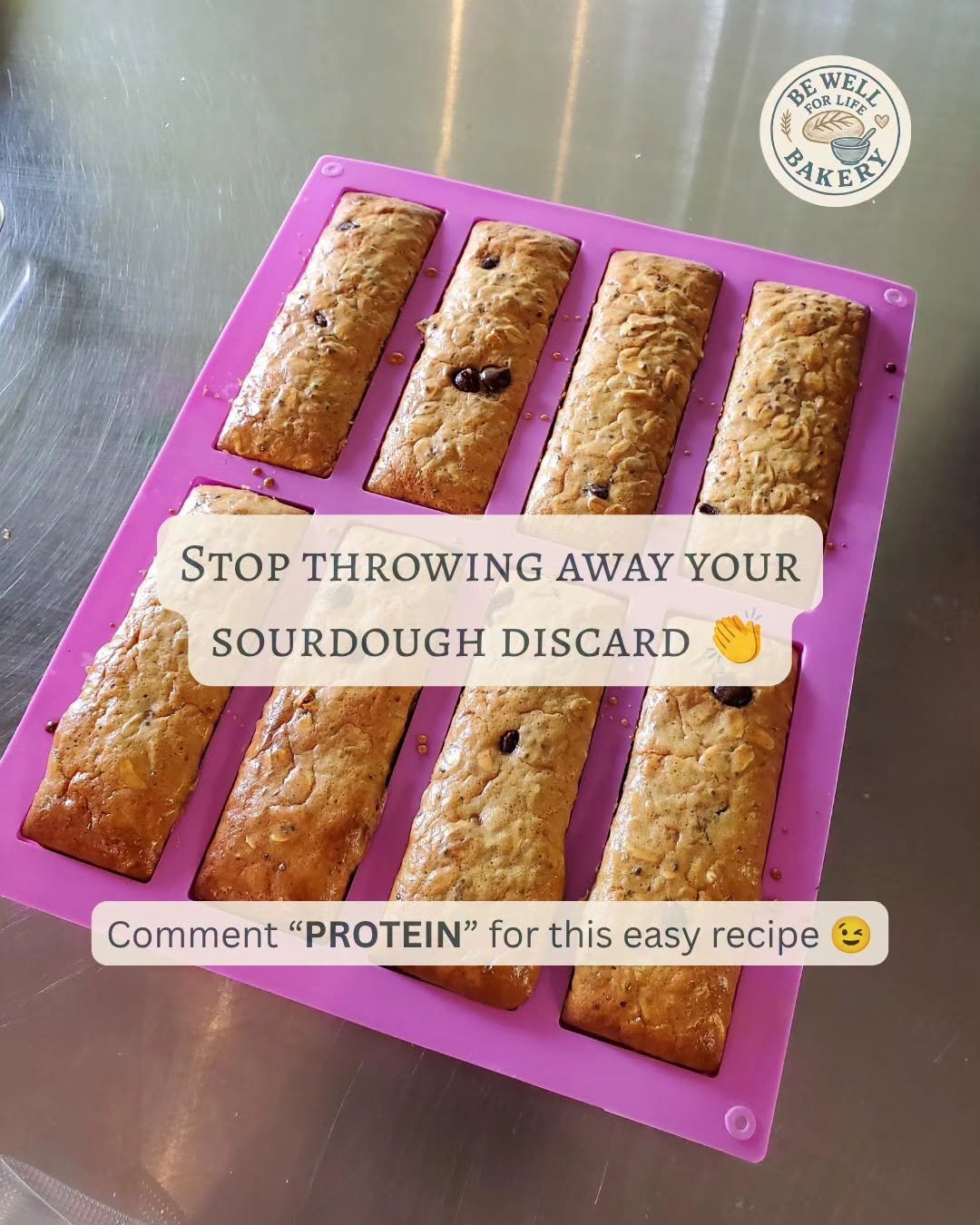
Welcome to the ultimate guide on making a wonderfully crispy and delicious snack known affectionately among home bakers as sourdough toss discard. If you have ever maintained a wild yeast starter on your kitchen counter, you already know the little heartbreak of feeding it every single week. Every time you feed your bubbly starter, you are forced to remove a portion of it to keep the jar from overflowing onto your kitchen cabinets. That leftover portion is commonly called discard, and while many people simply wash it down the sink or toss it into the compost bin, smart bakers know it holds incredible potential. This specific recipe transforms that neglected kitchen byproduct into a golden, crispy, and savory treat that feels like an absolute magic trick in your oven. You do not need any fancy culinary training or professional equipment to master this technique because it relies on basic pantry staples and simple movements. By taking something that would otherwise go straight into the trash, you create a wholesome snack that fills your entire home with the comforting aroma of warm, fermented wheat and toasted olive oil. It is a brilliant way to honor the hard work of your wild yeast culture while treating yourself and your family to something genuinely comforting and deeply satisfying.
People around the world fall completely in love with this recipe because it combines extreme simplicity with gourmet flavor profiles that punch way above their weight class. When you bake regular bread, you often have to wait hours for bulk fermentation, shape loaves with precision, and score dough with razor blades before hoping for a good oven spring. This recipe bypasses all of that complexity by taking your liquid or semi liquid starter and turning it into a flat, cracker like marvel with almost zero active preparation time. There is something deeply therapeutic about watching a pool of tangy sourdough batter transform in the hot oven into a bubbly, golden sheet of pure crunchiness. Furthermore, it completely eliminates kitchen guilt by ensuring that no part of your precious flour and water investment goes to waste. You feel like a clever kitchen wizard every time you pull a steaming tray from the oven, breaking apart irregular shards of crispy bread that taste complex, sour, and rich all at the same time. It captures the very essence of zero waste cooking, proving that delicious food does not require expensive ingredients or complicated techniques. Instead, it relies on resourcefulness, patience, and the wonderful magic of natural fermentation that humans have cherished for thousands of years.
You should consider making this delightful recipe whenever you find yourself staring at a jar of leftover starter after your weekly baking routine. Maybe you had a long and tiring day at work, and you want a comforting, crunchy snack that pairs wonderfully with a warm mug of herbal tea or creamy soup. Or perhaps you just finished a heavy workout session, and your body is craving a salty, savory bite that restores your energy without weighing you down with heavy processed oils. There is an emotional comfort attached to this food because it connects you directly to generations of traditional bakers who never threw away anything of value. The tangy flavor profile awakens your taste buds instantly, offering a sharp, pleasant sourness that cuts through richer dips and spreads like soft butter or garlic herb cheese. It fits seamlessly into your weekend meal prep routine when you want to create something fun and interactive with your children or friends. Whenever you need a quick mood boost or a reliable way to clear out your refrigerator jars, turning to this recipe always feels like a warm hug from your own kitchen.
Embarking on this culinary journey is also a fantastic decision for anyone looking to enjoy the unique health perks of fermented grains in a fast, accessible format. While raw discard contains active wild yeasts and helpful bacteria, baking it thoroughly transforms those cultures into an easily digestible snack that is gentle on sensitive stomachs. The natural fermentation process breaks down some of the complex starches and gluten proteins found in wheat, making it much friendlier for your digestive system than standard commercial crackers. You can easily customize the flavor profile to match your personal nutritional goals by sprinkling nutritious seeds like sesame, chia, or flax seeds across the top before baking. This flexibility allows you to control every single ingredient that goes into your body, keeping out unwanted chemical preservatives, excess sodium, and mysterious flavor enhancers found in store bought snacks. Ultimately, this recipe is a celebration of mindful eating, sustainability, and pure culinary joy that brings excitement back to your everyday baking routine.
Ingredients You Will Need
One cup of active or unfed sourdough discard straight from your refrigerator container. Three tablespoons of extra virgin olive oil to give the snack a rich flavor and crispy texture. Half a teaspoon of fine sea salt to enhance all the natural fermented flavors. One quarter teaspoon of garlic powder for a subtle savory background note. One quarter teaspoon of dried rosemary or oregano for an aromatic herbal touch. A generous pinch of flaky sea salt for sprinkling right before baking.
Step by Step Method
Begin your baking adventure by preheating your kitchen oven to three hundred and fifty degrees Fahrenheit so that it reaches the right temperature while you prepare your mixture. Take a standard baking sheet and line it smoothly with a sheet of parchment paper to ensure your baked treat never sticks to the metal surface. In a medium sized mixing bowl, pour in your cold or room temperature sourdough discard directly from your storage jar. Add your extra virgin olive oil, fine sea salt, garlic powder, and dried herbs into the bowl right on top of the liquid starter. Use a small whisk or a sturdy fork to stir everything together vigorously until the oil and spices are fully incorporated into the thick batter. Pour this seasoned batter directly onto the center of your prepared parchment lined baking sheet. Use an offset spatula or the back of a large spoon to spread the batter as thinly and evenly as possible across the paper. Make sure there are no thick spots remaining because thin areas will turn wonderfully crispy while thick spots might stay soft. Sprinkle your flaky sea salt evenly across the entire surface of the spread batter, pressing the flakes down very gently with your fingertips. Place the baking sheet carefully into the center of your preheated oven and let it bake undisturbed for twenty minutes. After twenty minutes, remove the pan from the oven and use a pizza cutter to score your large sheet into pleasing cracker sized squares or rustic shards. Return the baking sheet to the oven for another fifteen to twenty minutes until the edges turn a deep golden brown and feel completely dry. Keep a close watch during the final minutes because the thin edges can transition from golden to overly toasted very quickly. Once fully baked, pull the tray out of the oven and let the entire sheet cool completely right on the pan until it hardens. Break apart your cooled creation along the score lines into individual pieces and transfer them to an airtight storage container for future snacking.
Why This Recipe Is Special
This recipe stands out from traditional baking projects because it bridges the gap between zero waste philosophy and incredible gourmet flavor without requiring any advanced skills. One of the main health points of using sourdough discard is the partial breakdown of starches during the fermentation process, which many people find much easier on their digestion. The taste profile is wonderfully complex, offering a sharp and tangy punch from the wild yeast balanced by the rich fruitiness of olive oil and savory herbs. It gives you a crunchy, satisfying snack that rivals expensive artisanal crackers from specialty grocery stores while costing almost nothing to make at home. Furthermore, it teaches you to look at kitchen leftovers with creative excitement rather than viewing them as trash that needs to be thrown away immediately.
Extra Tips for Better Taste
If you want to elevate the flavor of your crispy snack even further, try mixing different types of flour into your discard before spreading it on the pan. Adding a tablespoon of whole wheat flour or rye flour can deepen the earthy notes and create a more rustic taste profile. You can also experiment with different spice combinations by swapping out rosemary for smoked paprika, onion powder, or even a generous dusting of grated Parmesan cheese. Make sure your batter is spread as thinly as humanly possible because uneven thickness will lead to uneven baking times and variable textures. If you notice some pieces are browning faster than others in your oven, simply rotate the baking sheet halfway through the baking time to ensure even heat distribution. Storing your finished crackers with a small piece of plain white bread inside the container can help absorb excess moisture and keep them crunchy for days.
Final Thoughts
Mastering this simple technique opens up a whole new world of creative possibilities for your home baking journey while keeping your kitchen sustainable and efficient. It is truly amazing how a simple jar of leftover sourdough discard can be transformed into something so crispy, flavorful, and deeply comforting with just a few minutes of effort. Whenever you bake this treat, you are participating in an ancient tradition of thriftiness and culinary ingenuity that makes home cooking so rewarding. We hope you enjoy experimenting with different herbs and spices to make this recipe uniquely your own while sharing crunchy bites with the people you love. Happy baking, and may your kitchen always be filled with the wonderful aromas of homemade sourdough creations!
Nutrition Details
Serving size is approximately thirty grams or one handful of baked crackers. Calories per serving are roughly one hundred and twenty calories. Total fat content is about six grams, mostly coming from the extra virgin olive oil. Sodium content is approximately one hundred and fifty milligrams depending on your salt toppings. Total carbohydrates are roughly fourteen grams with one gram of dietary fiber and zero grams of sugar. Protein content is about three grams per serving derived from the fermented wheat flour.
Disclaimer
Please remember that nutrition information provided here is an estimate based on standard ingredient databases and can vary depending on your specific brand of flour and exact measurements. Everyone has a unique body, different dietary needs, and distinct health responses to various foods and fermentation processes. Always consult with a qualified healthcare professional or registered dietitian if you have specific medical conditions, food allergies, or severe dietary restrictions before making major changes to your diet. Enjoy your homemade sourdough snacks mindfully and listen to your body to find what works best for your personal wellness journey.