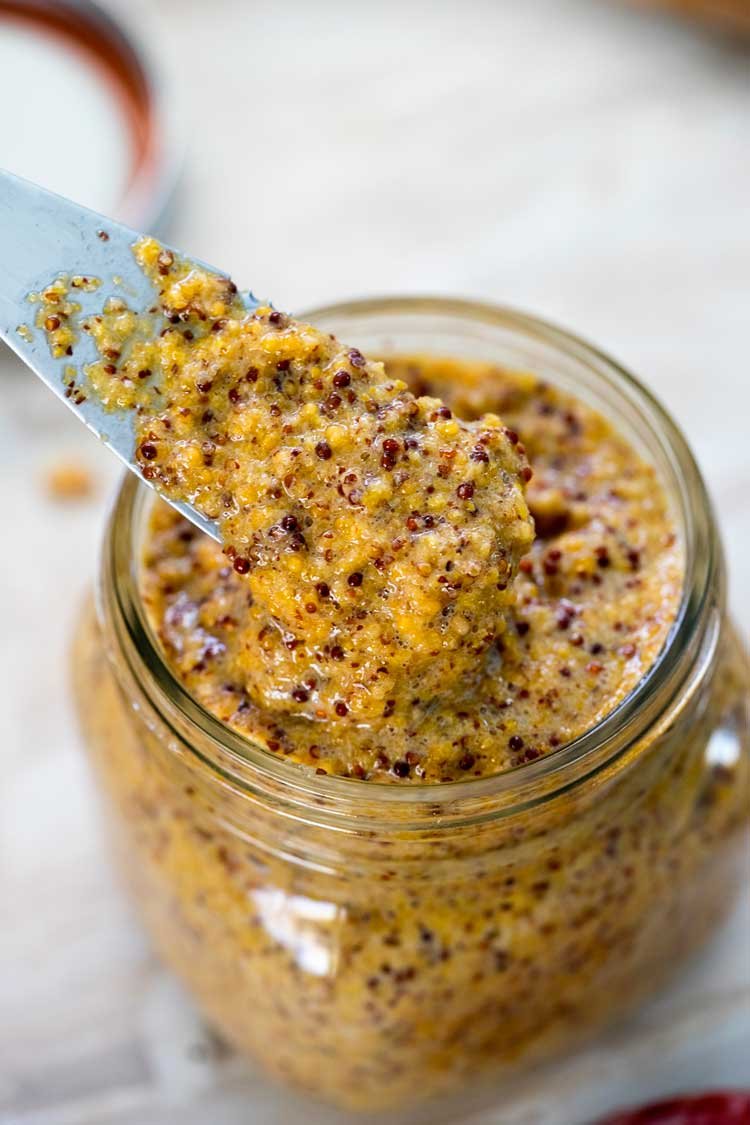
Welcome to the wonderful world of making your very own homemade grainy mustard right inside your own kitchen using simple pantry ingredients that you likely already have on hand. This comprehensive guide will walk you through every single step of the process so you can transform ordinary mustard seeds into a gourmet condiment that rivals anything you can buy at the store. When you embark on this culinary adventure, you are not just mixing liquids and seeds together; you are creating a vibrant, sharp, and textured spread that brings life to sandwiches, marinades, and charcuterie boards. The beauty of this specific recipe lies in its approachable nature because it requires no fancy equipment or professional cooking background to achieve truly remarkable results that will impress all your family members and dinner guests. You will discover that making mustard from scratch is deeply satisfying, connecting you to traditional methods of food preservation and preparation that have been cherished for generations across various cultures. By soaking your seeds in flavorful liquids and blending them to your preferred consistency, you gain complete control over the heat, tanginess, and texture of your final condiment. Whether you prefer a blazing hot punch or a milder zesty tang, this versatile base allows you to customize every batch to suit your personal palate preferences perfectly. Get ready to clear some space in your refrigerator because once you taste the fresh and lively bite of homemade mustard, you will never want to go back to the boring yellow bottles sitting on supermarket shelves.
People absolute love making homemade grainy mustard because it offers a rustic charm and superior flavor profile that mass produced condiments simply cannot replicate under any circumstances. Commercial mustards often contain artificial preservatives, excess water, and thickeners that mute the natural pungency of the mustard seeds, whereas your homemade version relies purely on the authentic power of whole seeds and natural liquids. The tactile experience of biting into a whole mustard seed that pops gently in your mouth adds an incredible layer of texture to your meals, turning a simple turkey sandwich into an extraordinary dining experience. Furthermore, food enthusiasts adore the wonderful aroma that fills the kitchen as the mustard seeds soften and release their characteristic pungent compounds during the soaking and blending stages. You can easily experiment with different kinds of vinegar, local honey, craft beer, or white wine to create unique flavor signatures that reflect your personal culinary creativity and seasonal moods. This level of personalization fosters a deep sense of pride and ownership over your food, making every meal feel a little more special and intentionally crafted. Friends and family will constantly ask for your secret when they taste the rich depth and balanced acidity of your artisanal spread, and you can proudly tell them you made it entirely by yourself with love and patience.
You should choose to make this delightful homemade grainy mustard whenever you feel the urge to slow down and engage in a rewarding culinary project that brings immediate joy to your daily cooking routine. On a quiet weekend afternoon when you want to spend time creating something tangible and delicious, mixing up a batch of mustard provides a wonderful therapeutic outlet that relieves stress and sparks inspiration. From a taste perspective, store bought options often taste flat or overly vinegary, whereas a fresh batch made by your own hands delivers a complex kick that awakens your taste buds and elevates heavy foods like roasted meats and cheeses. If you are pursuing fitness goals or eating a clean whole food diet, making your own condiments ensures that you avoid hidden sugars, fillers, and chemical additives frequently hidden in commercial grocery items. The emotional satisfaction of pulling out a jar of golden, homemade mustard during a casual backyard barbecue or a cozy family picnic brings a warm smile to everyone gathered around the table. It transforms ordinary eating moments into memorable occasions defined by care, quality, and the comforting satisfaction of home cooking done right. There is truly never a bad time to whip up a fresh jar, especially since it stores wonderfully in your refrigerator and actually improves in flavor as the ingredients meld together over time.
Embarking on this mustard making journey also connects you to the historical significance of mustard as one of the oldest and most beloved condiments known to human civilization throughout history. Ancient Romans and Greeks valued mustard not only for its zesty flavor but also for its perceived wellness properties, using crushed seeds as a stimulating tonic and a flavorful addition to their feasts. By bringing this ancient practice into your modern kitchen, you participate in a timeless culinary tradition that bridges the past with your contemporary lifestyle in a very delicious way. The process itself teaches you patience, as you must allow the mustard seeds to absorb the liquid and soften properly before you attempt to process them into your desired texture. This waiting period builds anticipation, making the final moment when you twist open your sterilized glass jar and take that first exploratory taste feel like a true celebration of your efforts. Whether you are looking to enhance your everyday meal prep, searching for a thoughtful handmade gift for a foodie friend, or simply wanting to learn a fun new kitchen skill, this recipe ticks every single box. Dive into the steps below with enthusiasm and confidence, knowing that every great chef started exactly where you are right now, ready to explore the endless possibilities of simple ingredients coming together in harmony.
Ingredients You Will Need
One cup of yellow mustard seeds Half a cup of brown mustard seeds One cup of apple cider vinegar Half a cup of dry white wine or water Two tablespoons of raw honey or maple syrup One teaspoon of sea salt or kosher salt Half a teaspoon of garlic powder Quarter teaspoon of turmeric powder for a rich golden color
Step by Step Method
Begin your mustard making process by gathering all the ingredients listed above and placing them on a clean kitchen counter where you have plenty of room to work comfortably. Take a medium sized glass bowl and combine the yellow mustard seeds and the brown mustard seeds together, ensuring they are thoroughly mixed and free of any tiny debris or dust particles. Pour the apple cider vinegar and the dry white wine or water directly over the mixed mustard seeds in the bowl, making sure the liquid completely submerges all the seeds with room to spare. Cover the glass bowl tightly with a clean kitchen towel or plastic wrap to keep dust out while letting the mixture sit undisturbed at room temperature for at least twenty four to forty eight hours. During this soaking time, the hard mustard seeds will absorb a large amount of the liquid, softening significantly and releasing the enzymes responsible for that classic sharp mustard flavor. Once the soaking duration is complete, check the bowl to see that the seeds have swelled up and most of the free liquid has been absorbed by the expanding seed husks. Transfer the soaked seed and liquid mixture carefully into the bowl of a food processor or a high powered blender, scraping every last seed out of the glass bowl so nothing goes to waste. Add the raw honey or maple syrup, sea salt or kosher salt, garlic powder, and turmeric powder directly into the food processor alongside the soaked mustard seeds. Secure the lid of your food processor tightly and pulse the mixture in short, controlled bursts if you prefer a very chunky texture with plenty of whole seeds remaining intact. If you prefer a smoother and creamier grainy mustard style, let the food processor run continuously for about one minute until the mixture achieves your desired consistency. Taste a small amount of the freshly blended mustard to check the seasoning balance, and feel free to stir in a tiny splash more vinegar or a pinch of salt if you feel it needs an extra flavor boost. Spoon your finished homemade grainy mustard carefully into clean glass jars with tight fitting lids, tapping the jars gently on the counter to eliminate any trapped air bubbles inside. Place the filled jars into your refrigerator and allow the mustard to rest for at least two to three days before using it, because this resting period mellows the sharp raw bite and lets the flavors blend wonderfully.
Why This Recipe Is Special
This homemade grainy mustard stands out from ordinary store bought varieties because it provides an unmatched combination of crunchy texture and vibrant, uncompromised flavor that dances across your taste buds. From a health perspective, mustard seeds are naturally packed with antioxidants, minerals like selenium and magnesium, and beneficial plant compounds that support overall wellness without any unwanted artificial additives. Because you control every single ingredient that goes into the jar, you can completely avoid the refined sugars, chemical preservatives, and synthetic dyes commonly found in commercial condiment manufacturing. The taste profile is dynamic, offering an initial tangy punch from the apple cider vinegar followed by a warming, earthy heat from the brown and yellow seeds that lingers pleasantly. It acts as a wonderful metabolism booster and a guilt free way to elevate the flavor of lean proteins, vegetables, and whole grain sandwiches without adding excess calories or unhealthy fats. Making your own food from scratch also fosters a deep psychological connection to what you consume, promoting mindful eating habits and a greater appreciation for the natural foods that nourish your body every single day.
Extra Tips for Better Taste
If you want to take your homemade grainy mustard to the next level of culinary excellence, consider substituting the white wine with a dark local stout beer or a robust ale to introduce deep caramel and malt undertones. You can also toss in a tablespoon of fresh chopped tarragon, rosemary, or dill during the blending stage if you want to create an herbal infused mustard that pairs exceptionally well with grilled fish or poultry. For those who adore a sweeter condiment profile, increasing the raw honey slightly will create a wonderful honey mustard balance that children and adults alike will find completely irresistible on pretzels and sandwiches. Always store your mustard in glass containers rather than plastic, because plastic can absorb the strong pungent oils and aromas of the mustard over time, whereas glass preserves the pure flavor indefinitely. If your mustard feels a bit too thick after processing, you can stir in single teaspoon increments of warm water until it reaches the exact spreading consistency you desire for your recipes. Remember that fresh homemade mustard gets milder the longer it sits in the cold refrigerator, so do not panic if the initial batch tastes overwhelmingly sharp right after blending because time will mellow it out beautifully.
Final Thoughts
Creating your own artisanal condiments at home is one of the most rewarding and enjoyable culinary hobbies you can adopt to transform your everyday meals into gourmet dining experiences. This simple recipe proves that you do not need complex techniques or expensive equipment to produce food that is bursting with authentic flavor, vibrant color, and wholesome goodness. We hope you feel inspired and excited to gather your ingredients, set aside a little kitchen time, and embark on this wonderful journey of homemade mustard making with total confidence and joy. May your kitchen always be filled with the wonderful aromas of creative cooking, and may every meal you share with loved ones be elevated by the fruits of your joyful kitchen labors. Enjoy every single spoonful of your fabulous new creation, and do not hesitate to experiment with new flavor combinations as your confidence and culinary curiosity continue to grow over time.
Nutrition Details
Serving size is one tablespoon, and this recipe yields approximately thirty servings total.
Calories per serving: Fifteen calories Total fat per serving: One gram Sodium per serving: One hundred ten milligrams Total carbohydrates per serving: One gram Sugars per serving: Zero point five grams Protein per serving: One gram
Disclaimer
Everyone’s body is unique and responds differently to various foods, herbs, and spices based on individual health profiles, dietary needs, and personal sensitivities. The nutritional information and wellness points provided in this article are for general educational purposes only and should not be construed as professional medical or nutritional advice. If you have specific medical conditions, severe allergies, or concerns regarding your diet, always consult with a qualified healthcare professional before making major changes to your daily food intake. Enjoy this recipe as part of a balanced and healthy lifestyle, listening to your own body to determine what works best for your personal wellness journey.